by Anaïs Férot
Jun 29, 2026
Read the report to learn more about key outcomes and next steps
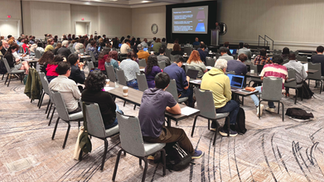
The 2026 SZ4D Science Community Meeting brought together 143 participants, including 67 early-career researchers, representing 82 unique institutions across 10 countries for three days of scientific exchange and collaboration in Long Beach, California.
The meeting centered on the theme Crossing Disciplinary Margins and brought together a community studying the interconnected geohazards of subduction zones. It emphasized breaking down disciplinary silos and crossing traditional boundaries in magmatism, tectonism, and landscape research to advance a more integrated understanding of multihazard systems.
A primary goal of the meeting was to catalyze new partnerships and stimulate proposal development aligned with the SZ4D Implementation Plan.
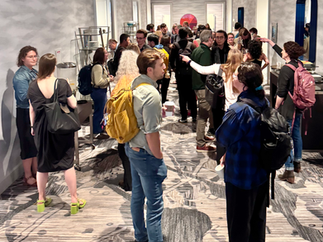
Through keynote presentations, lightning talks, poster sessions, breakout discussions, and networking activities, participants explored innovative approaches to advancing subduction zone science while strengthening the collaborative network needed to shape the future of interdisciplinary geoscience.
The meeting chairs synthesized outcomes from keynote talks, breakout discussions, and plenary synthesis into cross-cutting science themes that emphasize subduction zones as integrated systems and identify priorities for linking observations, experiments, and modeling. These themes are now being used to organize and coordinate emerging thematic groups, which are in the process of being formed to carry the work forward.
The full report is available below.
Any feedback? Email us at contact@sz4d.org
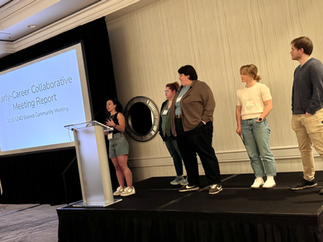
An Early Career Researcher Symposium was held the day prior to the main meeting, providing a dedicated space for scientific discussion, presentations, networking, and engagement with seasoned scientists on topics ranging from career development and funding opportunities to scientific collaboration within an interdisciplinary framework. Building on these activities, ECR participants formed five voluntary working groups that collaborated during and after the meeting to develop this report, synthesizing observations on meeting structure, participation, and future directions in subduction zone science and geohazards research.